
Unlock the power of your MikroTik devices with seamless Winbox login procedures. Whether you’re a seasoned network administrator or a newcomer, understanding the intricacies of Winbox login is essential for effective network management.
The Ultimate Overview of Winbox login — Why it’s the Foundation of MikroTik Management

The Winbox login process is more than just entering a username and password; it acts as the gateway to configuring, monitoring, and optimizing your MikroTik routers and switches. Many network professionals prefer Winbox for its graphical interface, which simplifies complex configurations that might otherwise be daunting through CLI (Command Line Interface).
In essence, Winbox functions as the versatile GUI that bridges technical control with user-friendly interactions, offering everything from real-time bandwidth monitoring to security settings management. Its importance stems from its ability to facilitate rapid and secure access to network devices, making it an integral part of network administration.
When you consider how frequently network issues occur and how crucial network security is, mastering Winbox login becomes paramount. This process allows network administrators to troubleshoot, upgrade firmware, and modify settings with minimal downtime, ensuring your network remains robust and reliable.
What Sets Winbox Apart in Network Management?
Unlike traditional web interfaces, Winbox offers a local, dedicated desktop environment with features tailored for detailed network management tasks. It stands out because of its speed, flexibility, and the ability to work via local or remote connections, even in complex network topologies.
Understanding the Winbox login process also involves knowing how to troubleshoot common access problems, while safeguarding security. As networks evolve, so do the challenges related to remote access, credential management, and ensuring uninterrupted operations, making proficiency in Winbox login an essential skill for an admin.
Preparing for the Winbox login – Setting Up Your Network Environment for Successful Access
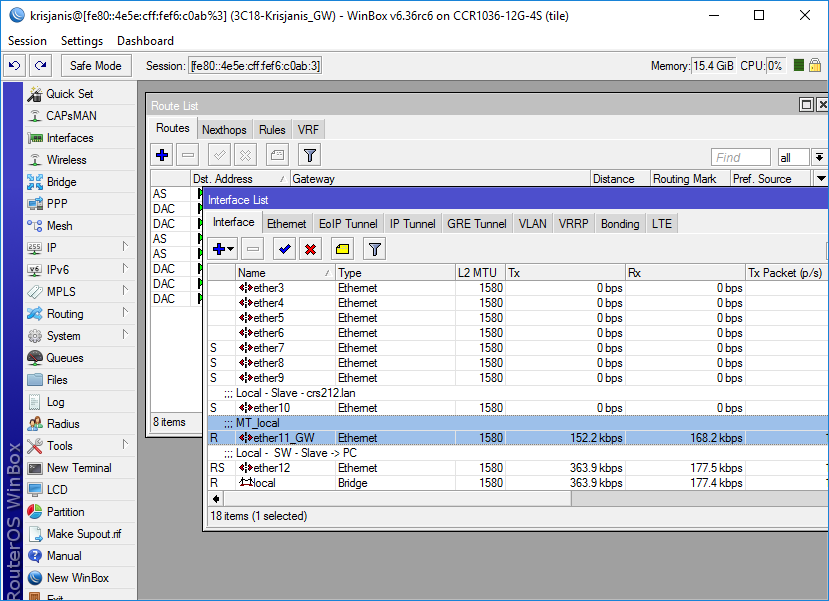
Before attempting to access your MikroTik device, a thorough preparation stage ensures smooth Winbox login experiences. This phase involves understanding network prerequisites, device configurations, and safety practices to prevent unauthorized access.
Ensuring Network Readiness for Winbox Connection
Start by verifying your network environment. Confirm that your PC or device is on the same subnet as the MikroTik router you intend to manage. This typically involves checking IP addresses, subnet masks, and gateway settings.
For example, if your device IP is 192.168.88.2 and the MikroTik device IP is 192.168.88.1, they are on the same network, enabling local Winbox login without additional configuration. Issues often arise when VLANs or firewall rules block access, so ensure no network policies prevent communication between your device and the router.
Another step involves configuring firewall and NAT settings correctly. Outbound rules should permit Winbox traffic (typically TCP port 8291). If this port is blocked, your Winbox login attempts will fail. Always test connectivity using tools like ping or telnet to confirm you can reach your MikroTik device.
Device Configuration Tips for Secure and Reliable Winbox Access
Once your network environment is ready, prepare your MikroTik router itself. Default administrator credentials are common, but for security reasons, change these immediately upon setup. Use strong, unique passwords to reduce vulnerability.
Enable Winbox access explicitly in the router configuration. This is often enabled by default, but double-check under IP > Services in your MikroTik WebFig or CLI to ensure the Winbox service is active. If you plan remote access, consider restricting access by IP and employing VPN tunnels for security.
Remember, regularly update your device firmware. Outdated firmware can contain vulnerabilities that compromise your administrative interface. Firmware updates often include patches for security bugs that can jeopardize your Winbox login sessions and broader network health.
Best Practices for Secure Winbox Login Environment
Security should be your top priority. Use HTTPS and SSH for remote access when possible, minimize the number of open ports, and avoid using default credentials. For added security, set up firewall rules to restrict Winbox access to specific IP addresses.
Create backup configurations regularly. In case of accidental misconfigurations or security breaches, backups allow you to restore the network to a previous stable state swiftly. This proactive approach ensures your Winbox login sessions do not become a vulnerability.
Finally, familiarize yourself with network logs and monitoring tools. These support early detection of unauthorized access attempts or irregular activities during your Winbox login process, thereby maintaining your network’s integrity.
Step-by-step Guide to Authenticating via Winbox login — Easy, Secure, and Efficient Access
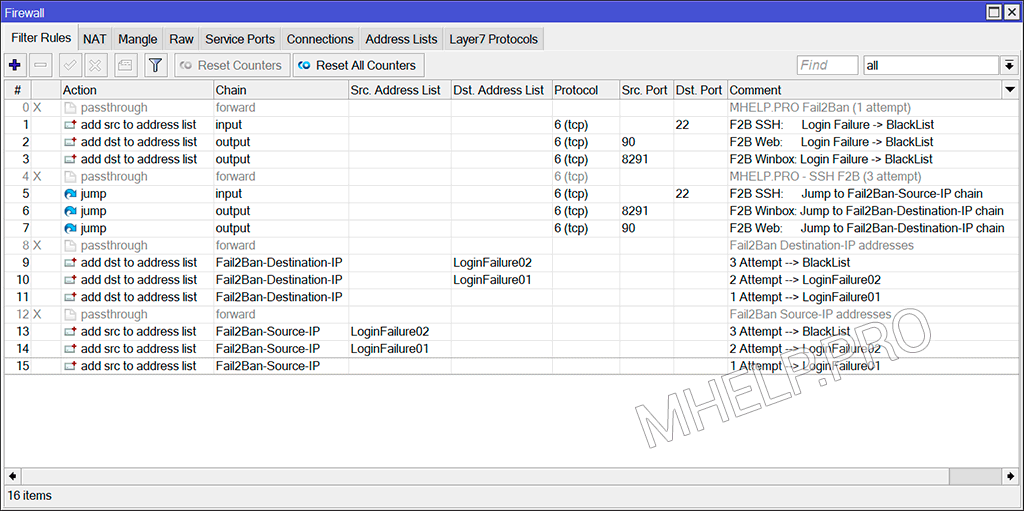
The exact process of Winbox login involves a series of steps that, when followed precisely, ensure reliable access to your MikroTik device. Whether you’re managing a single device or a complex network, these steps help optimize your experience.
How to Use Winbox for Your Network Devices
Start with downloading Winbox from the official MikroTik website. It’s lightweight, portable, and compatible with Windows, Linux, and macOS via Wine. Always download the latest stable version to benefit from security patches and feature improvements.
Open Winbox, then proceed with the login interface.
Connect via MAC Address or IP Address:
You can connect by MAC address, which bypasses IP configuration, or via the IP address if your network setup permits. Connecting by MAC is particularly useful when IP configurations are unknown or the device isn’t reachable through IP.
- Identify the MikroTik device:
Winbox will scan your local network and list available devices. Select your device by its MAC or IP address. - Enter your login credentials:
Use the administrator username, and enter your password. For security, avoid using default credentials. - Adjust connection settings:
You can also specify port settings, especially if your device uses custom ports or remote access is involved. - Click ‘Connect’:
Once all details are entered correctly, hitting connect will initiate the session.
Troubleshooting Common Winbox login Problems
Despite meticulous preparation, some issues may still occur. Common errors include connection refused, authentication failure, or timeout errors.
- Connection Refused:
Usually indicates that Winbox port (8291) is blocked by firewall or not enabled. Check router’s firewall rules, ensure Winbox Service is active, and verify port forwarding configuration if accessing remotely. - Authentication Failure:
Confirm credentials are correct and that your account has sufficient permissions. Reset passwords if necessary. - Timeout Errors:
Could be network issues or device overload. Use ping to verify device responsiveness, then troubleshoot network paths.
Regularly updating your device firmware and Winbox application ensures compatibility and security, reducing most issues related to login failures over time.
Best Practices for Efficient Winbox Login Sessions
Always log out properly after completing your tasks to prevent session hijacking. When working remotely, use VPNs to encrypt traffic and safeguard your session.
Also, avoid multiple concurrent sessions during critical management tasks—they can cause conflicts or unexpected behavior. Use strong, unique passwords and enable two-factor authentication if supported.
Finally, maintain a detailed log of access activities and configuration changes to facilitate future troubleshooting and security audits.
FAQs About Winbox Login — Your Quick Reference Guide
What is Winbox login?
Winbox login refers to the process of accessing your MikroTik router or switch via the Winbox utility, using credentials and network settings to authenticate and initiate a management session.
How secure is Winbox login?
Winbox login security depends largely on configuration. By default, it uses TCP port 8291, which can be secured through firewalls, VPNs, and strong passwords. Ensuring your device runs the latest firmware and disabling unneeded remote access enhances security.
Can I access Winbox remotely?
Yes, Winbox supports remote access, but it should be secured with VPN connections or SSH tunnels to prevent unauthorized access. Exposing Winbox directly to the internet without protection is risky.
What are common issues faced during Winbox login?
Typical issues include network connectivity problems, port blocking, incorrect credentials, or outdated firmware. Troubleshooting involves verifying network configuration, ensuring port access, and updating device firmware.
How do I troubleshoot a failed Winbox login?
First, confirm the device is reachable via ping or telnet on port 8291. Check credentials and user permissions. Review firewall rules and ensure the Winbox service is enabled. If problems persist, consider restarting the router or resetting the configuration.
Conclusion
Mastering the Winbox login process is fundamental for efficient and secure network management with MikroTik devices. From initial setup and environment preparation to troubleshooting access issues, understanding each aspect ensures your network remains resilient and well-managed. By following best practices for security, regularly updating firmware, and maintaining clear documentation, administrators can leverage Winbox as a powerful tool for network optimization. Regardless of your experience level, consistent proficiency in Winbox login procedures enhances your ability to control your network effortlessly and confidently, ensuring seamless connectivity and security.
English language.
Leave a Reply